
Welcome to Versailles



Loading results
The Palace
From the seat of power to a museum of the history of France




All shows
The 2023-2024 musical season
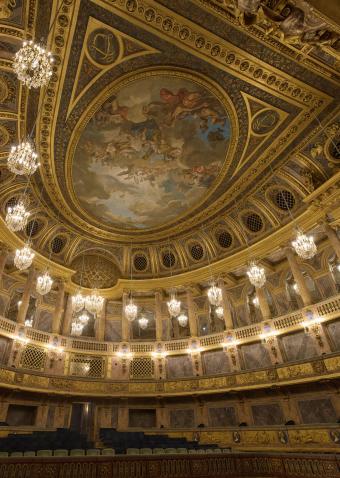
The Palace of Versailles is hosting numerous operas, concerts, gala evenings and ballets in some of its exceptional spaces, including the Royal Opera and the Royal Chapel. Check out the programme for the 2023–2024 music season at Versailles.
Exchanges between France and China in the seventeenth and eighteenth centuries
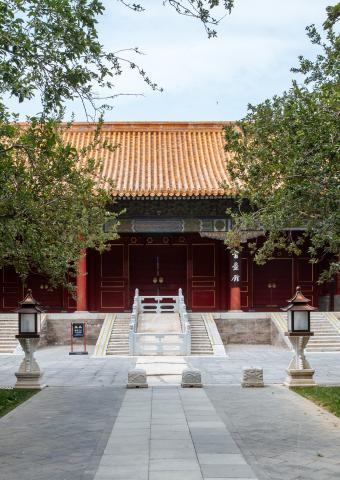
The Forbidden City and the Palace of Versailles Exhibition
To mark the sixtieth anniversary of the establishment of diplomatic relations between France and China by General de Gaulle on 27 January 1964, and as part of the Franco-Chinese Year of Cultural Tourism, the Palace of Versailles and the Forbidden City's Palace Museum will be holding an exhibition devoted to exchanges between France and China in the seventeenth and eighteenth centuries.
The English version
The collection's website
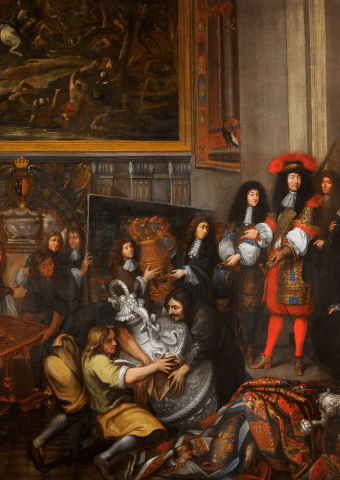
Discover the collections of the Palace of Versailles through the new English version of the website. Containing over 60,000 works, the collections of the Palace of Versailles span a very broad period. The collections reflect the dual identity of the Palace, as both a palace occupied by the kings of France and the royal court, and later a museum “dedicated to the glories of France,” inaugurated by Louis-Philippe in 1837.
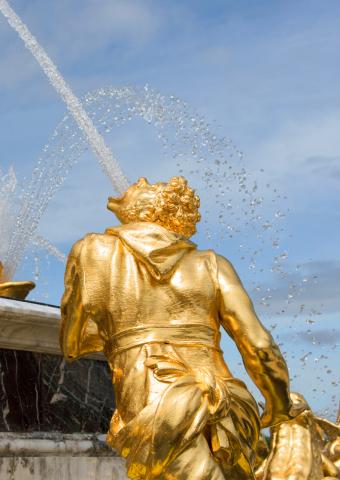
From 29 March to 31 October 2024 / The Gardens
Fountains Shows and Musical Gardens
From 29 March to 31 October 2024, enjoy the Musical Gardens and the Great Musical Waters in the gardens and groves opened for the occasion. Every Saturday evening from 8 June to 21 September, Sunday 14 July, friday 28 June and Thursday 15 August, discover the Gardens in the evening with the The Night Fountains Show.
From march 19 to june 23, 2024
Exhibition : Imperial silks for Versailles
A collection from the mobilier national
The Palace of Versailles' podcast
The Palace of Versailles invites you to go behind the scenes of history thanks to new audio content available on all platforms (Spotify, Deezer, Apple Podcasts, etc.) and on the Palace of Versailles mobile application.

Rabbids at Versailles
The Rabbids have invaded the Gardens of Versailles! You have to repair the damage and flush them out to send them back where they came from!
guided tours
During guided tours, a speaker from the Palace invites you into lesser known locations otherwise closed to the visitors. You can also book online tours to discover the backstage of the Castle from your home!



The official Palace of Versailles app.
The free application of the Palace offers audio tours to accompany your visit to the Estate (Palace, Gardens, Trianon Estate, etc.) as well as an interactive map.
More information
Are you a regular visitor?
The best of Versailles for subscribers! For a whole year, benefit from numerous advantages thanks to the SOLO or DUO cards, and unlimited ticket access from only 65€.
Choose your subscription22,000 artworks to discover online
With 60,000 artworks, collections of Versailles illustrate 5 centuries of French History. This set reflects the dual vocation of the Palace once inhabited by the sovereigns and then a museum dedicated "to all the glories of France" inaugurated by Louis-Philippe in 1837.
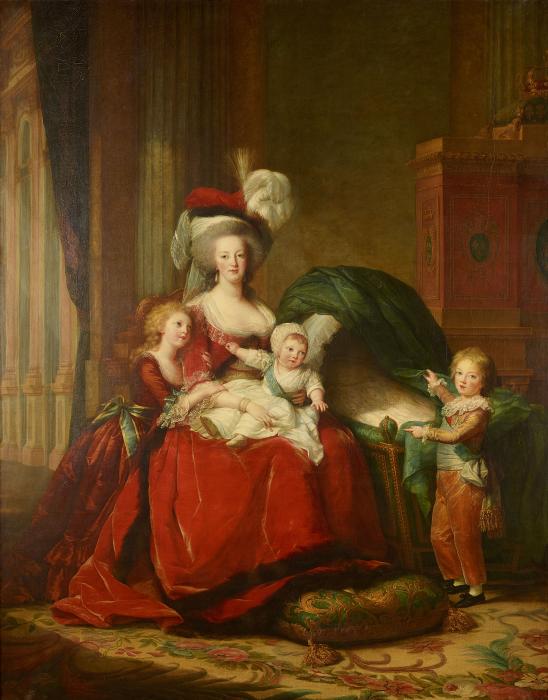
Marie-Antoinette, reine de France, et ses enfants
More infos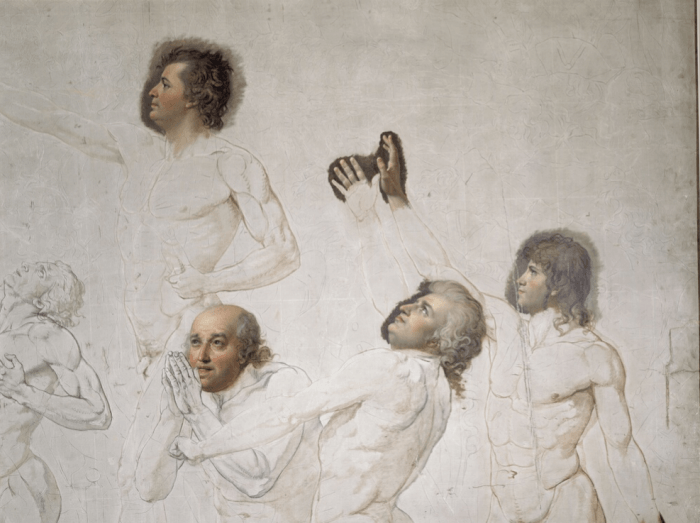
Le serment du Jeu de Paume, 20 juin 1789
More infos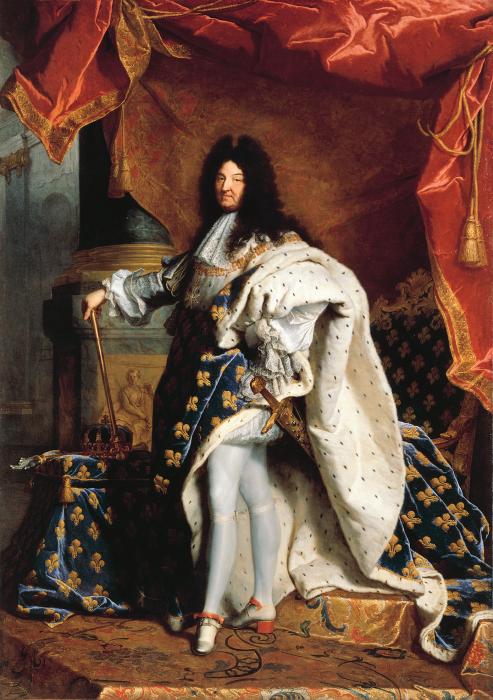
Louis XIV
More infos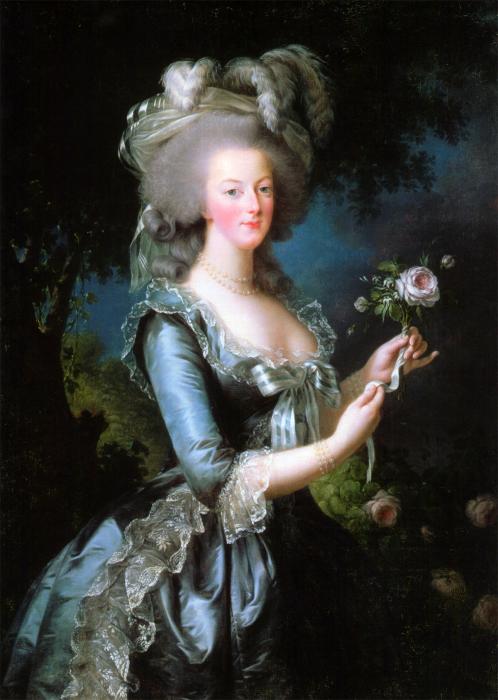
Portrait de Marie-Antoinette
More infos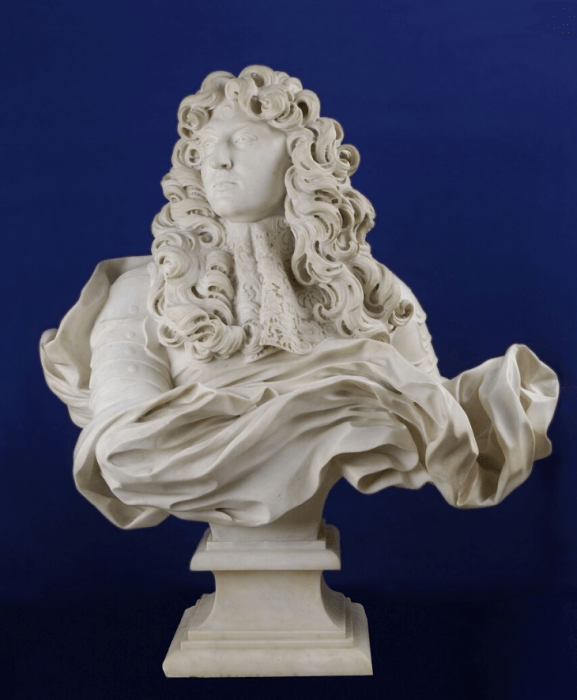
Buste de Louis XIV
More infos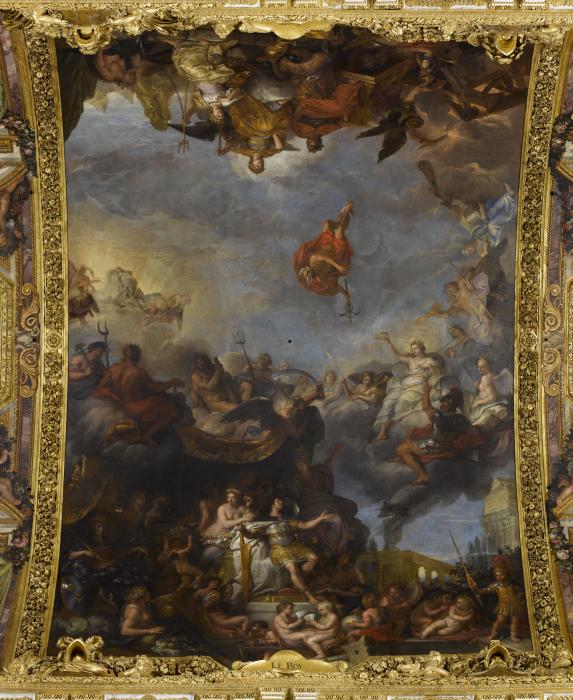
Le roi gouverne par lui-même, 1661
More infos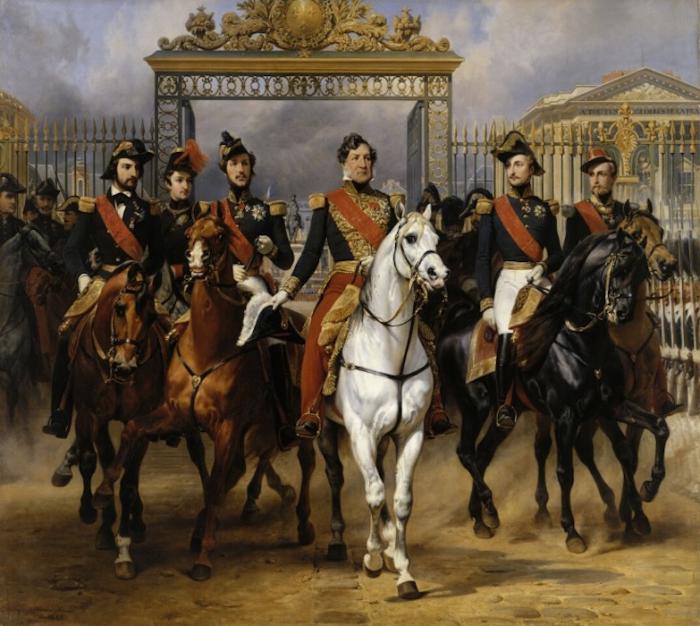
Le roi Louis-Philippe entouré de ses cinq fils [...]
More infos
Souper du prince
More infos