

Silk Fabrics: A Reflection of Royal Splendour
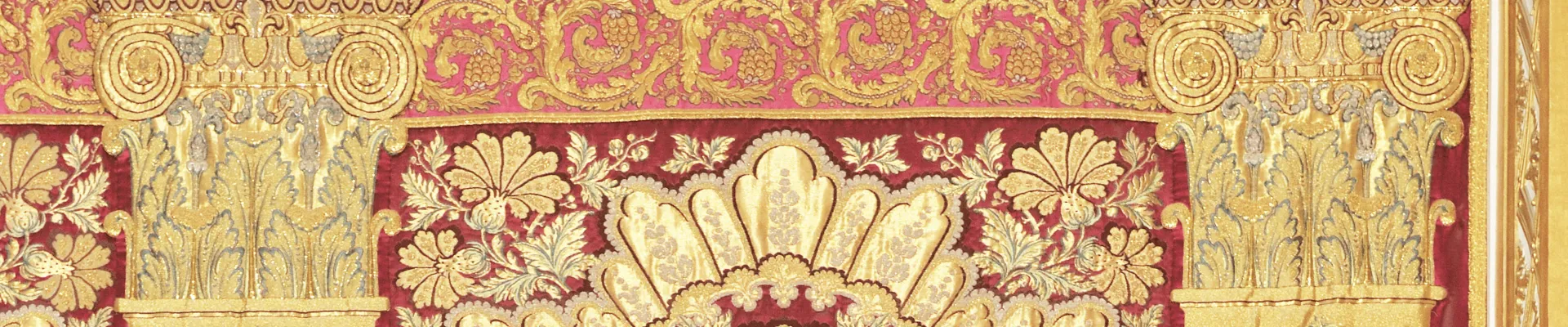
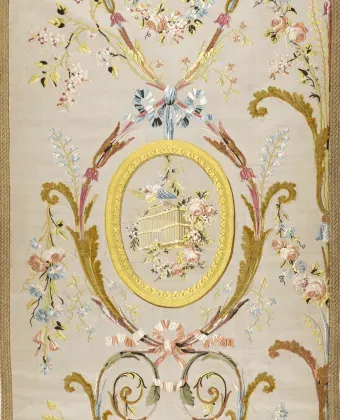
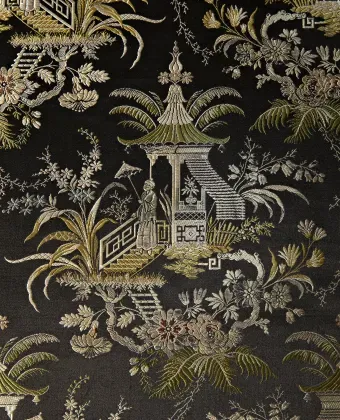
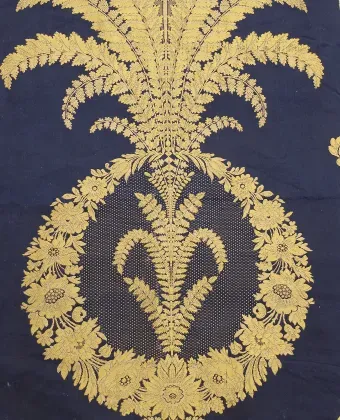
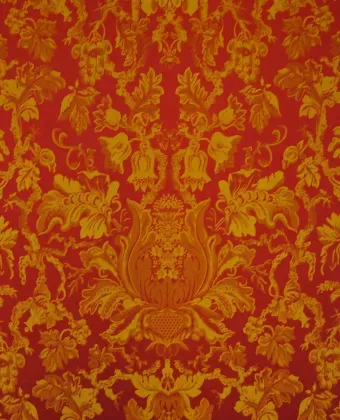
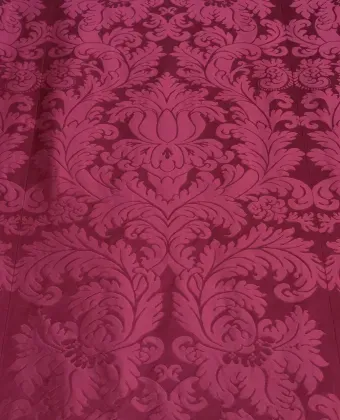
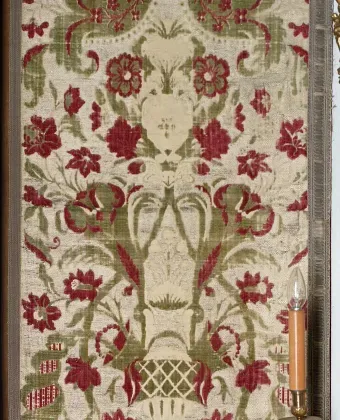
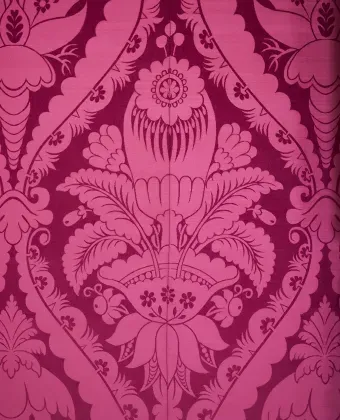
Since ancient times, decorative fabrics have embodied an art form at the intersection of luxury, power, and technical innovation, reaching its peak in Europe between the 16th and 19th centuries. Born of trade—particularly along the Silk Road—these fabrics, often made of silk and embellished with gold or silver, became symbols of prestige in royal courts, where their rarity and cost made them objects of emulation among sovereigns. During the Renaissance, Italian workshops (Genoa, Venice, Florence) dominated production, before Lyon, under the impetus of Francis I, gradually established itself as the European capital of silk. In the 17th and 18th centuries, French manufacturers perfected techniques for brocade, damask, and increasingly complex patterned fabrics, incorporating metallic threads to create sumptuous light effects. Other manufacturers across Europe then emerged, such as the one in San Leucio, founded at the initiative of the ruler of Naples.
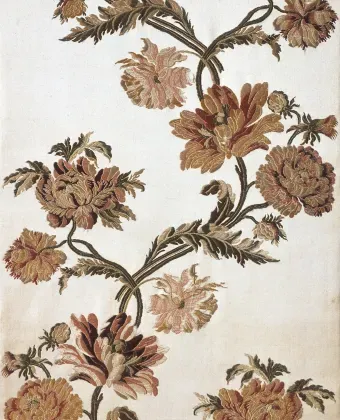
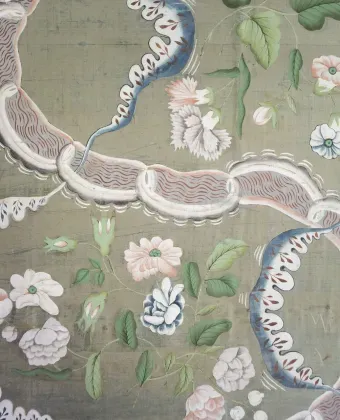
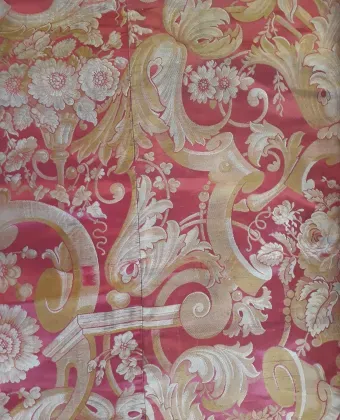
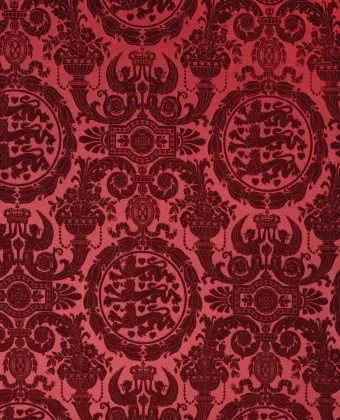
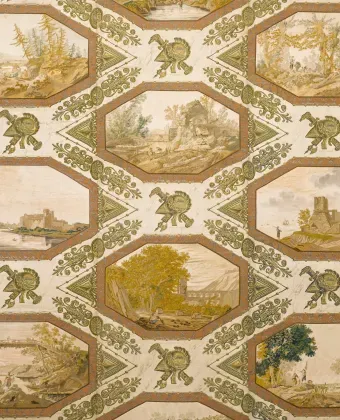
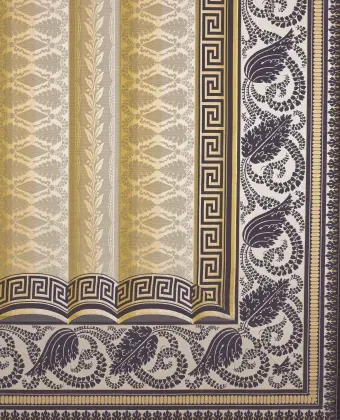
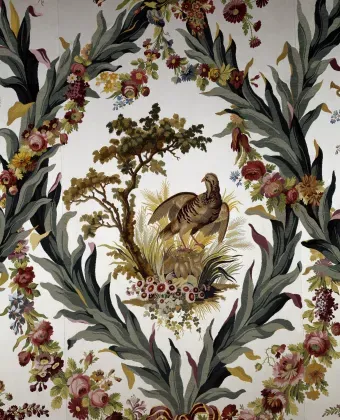
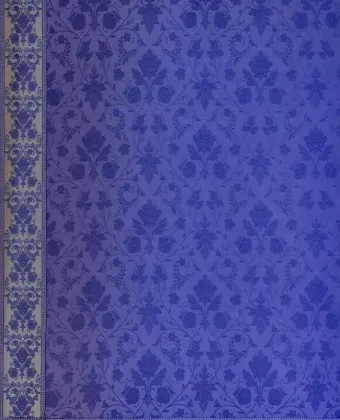
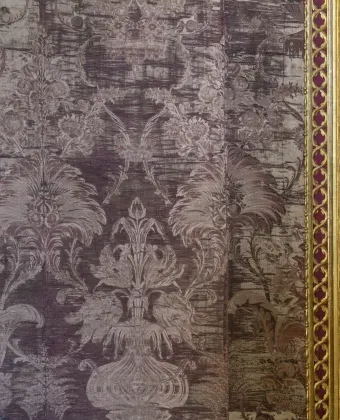
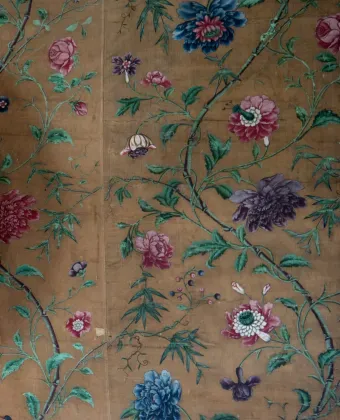
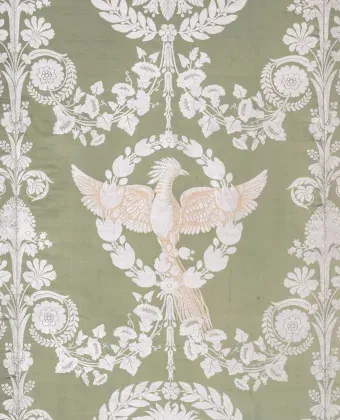
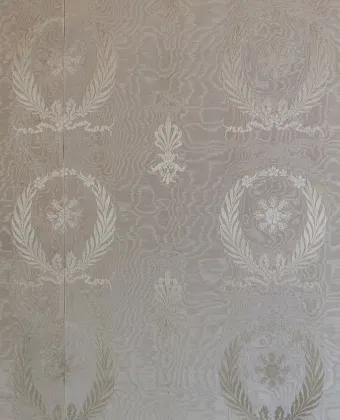
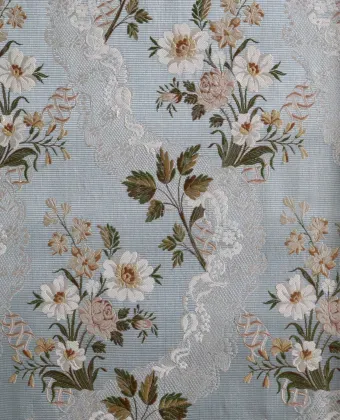
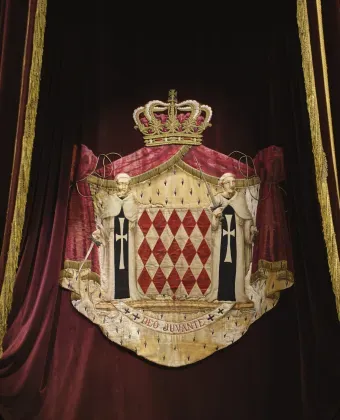
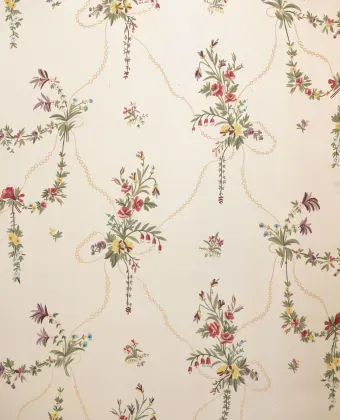
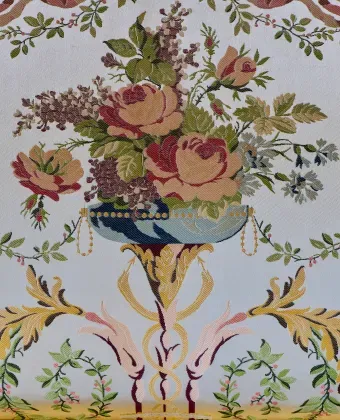
Royal silks are distinguished by their ornate richness and strong symbolic value. They helped create an aesthetic unity and a unique atmosphere in interior design, both in ceremonial spaces and in the private apartments of sovereigns. The influence of French designs—particularly those from the manufactories in Lyon, Tours, and Paris—spread far beyond the country’s borders, inspiring local productions and contributing to the spread of a common decorative language. While the hangings in public apartments were meant to embody the kingdom’s wealth and the splendour of the monarchy, the fabrics in private apartments could reflect the rulers’ tastes or the fashion of the time. This difference is evident in the more formal, heraldic motifs found in public spaces, whereas those in private apartments—often featuring plant patterns—were more decorative. While reflecting the evolution of tastes, from the Baroque to Neoclassicism, they remain today unique testimonies to the history of the decorative arts and the diplomacy of luxury in Europe.
The Virtual Exhibition: A Journey into the Heart of Royal Residences
Organized under the direction of the Curatorial Department of the Palace of Versailles, the virtual exhibition “Royal Silks in Europe, Official Splendour and Private Apartments” brings together twenty-seven institutions from the Network of European Royal Residences, spread across twelve countries: Austria, Denmark, France, Germany, Hungary, Italy, Latvia, Monaco, the Netherlands, Poland, Spain and the United Kingdom.
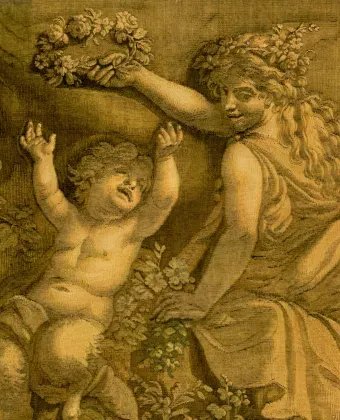
This unique journey through European interiors highlights the diversity of styles and craftsmanship from the 17th to the 20th century, while emphasizing the artistic exchanges between European countries. The patterns on these silks—floral, allegorical, or heraldic—serve both as dynastic propaganda and as a testament to cultural influences, as evidenced by the adoption of French styles in foreign courts.
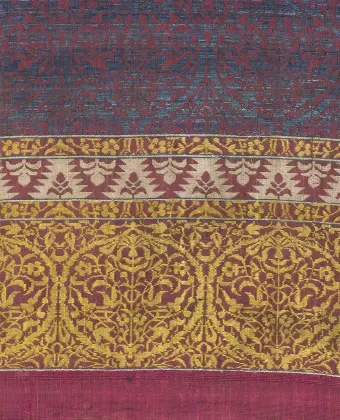
Because they are particularly fragile, few original fabrics have survived to the present day. This makes the silks preserved in Potsdam, Turin, Dessau, Madrid, Florence, Stupinigi, Monza, Miramare, and Copenhagen all the more precious and moving. As for the Arab silks of the Alhambra, their preservation by Catholic Spain reflects a fascination with this chapter of European history. Other interiors have disappeared, such as those in Naples or Carditello, and only fragments, archives, and old photographs can give a sense of the richness of days gone by. But the history of the reweaving projects is just as remarkable: in Warsaw, Łazienki, Het Loo, Gödöllő, and Rundāle, these reconstructions reflect a determination to revive a destroyed heritage. At Schönbrunn, Wilanów, Kensington, Milan, Caserta, Compiègne, Fontainebleau, and Versailles, the goal is to restore interiors that have been lost or have become too worn or faded. The magic of reweaving brings back the brilliance and lustre of these colourful interiors while also preserving exceptional craftsmanship that is now under threat, as in Lyon or San Leucio. These efforts take on their full significance in the last remaining European royal courts, such as in Copenhagen, where the splendour of the monarchy lives on.
Beyond their beauty, furnishings have shaped the identity of royal residences, revealing power, prestige, and the circulation of craftsmanship across Europe. By exploring these scattered collections, the exhibition reveals how silks played a key role in creating a European aesthetic that was both unified and diverse, without erasing the identity of each court. As a testament to the ruling families’ taste for luxury, silks thus helped spread a decorative vocabulary common to Europe, while incorporating influences from elsewhere.
Royal silks in Europe
Credits
Project labelled by
The Network of European Royal Residences

Curator
Noémie Wansart, Research Associate, Department of Conservation, Palace of Versailles
assisted by Béatrice de Larouzière and Elsa Renault
Acknowledgments
The partners of the Network of European Royal Residences who participated in the initiative
The Palace of Versailles Communications Department, Héloïse Garcia and Hugo Lefebvre
As well as Aurore Breit and Olivier Delahaye