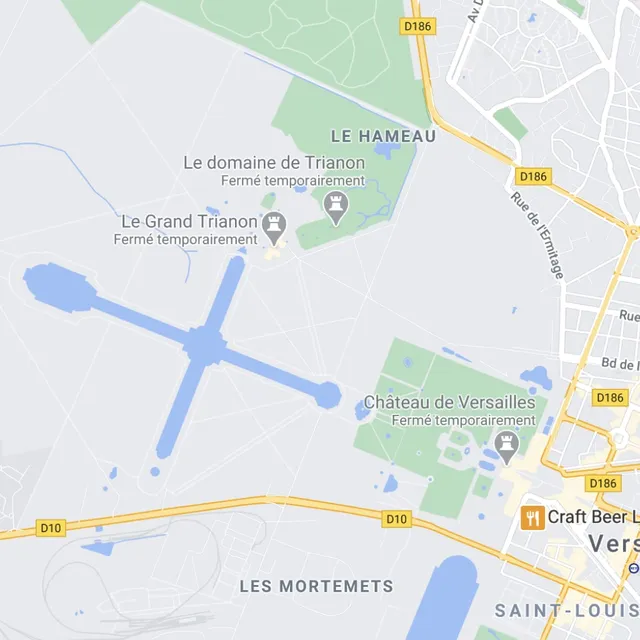


The Estate of Versailles, which is famous for its Palace and formal French gardens, is also a remarkable but little-known haven of biodiversity. In 2017, an ambitious management plan was launched to better understand, preserve and showcase this unique ecosystem shaped by centuries of interaction between man and nature.
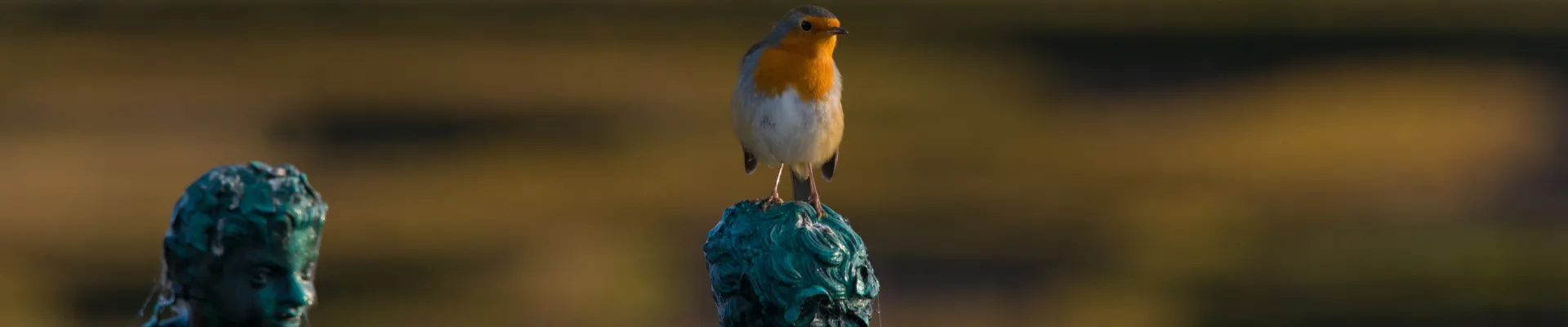
Biodiversity Preserving living heritage
© EPV / Thomas Garnier
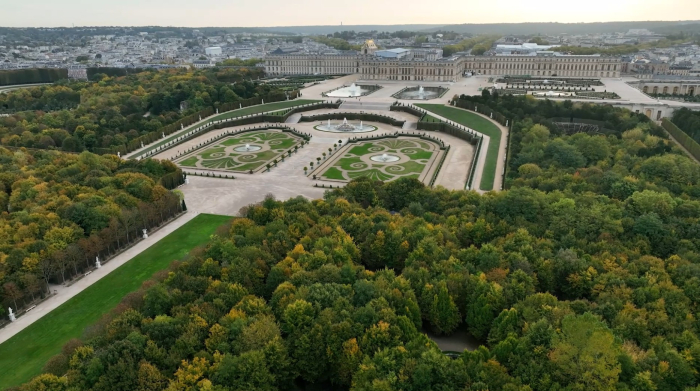
Originally, the park of Versailles was a huge swamp, rich in game, which was drained and largely artificialized to make way for an outstanding landscaped estate. Luxuriant gardens, rows of trees, planted, managed and organised woodlands – alongside less developed areas – have created a new natural balance. Fauna and flora have developed in response to conditions at the site, Over the centuries, the hunting estate of kings has evolved into a reservoir of biodiversity.
This is accentuated by the fact that the Estate, although surrounded by walls, is not isolated; ecological corridors link the park to its wider surroundings, allowing species to move freely and thus promoting biological diversity.
Conscious of the richness of this living heritage, the Palace of Versailles has been committed to its preservation since 2017, using management methods that combine respect for this ecosystem with modern environmental approaches.
the creation of a biodiversity observatory
Since 2024, the Biodiversity Observatory, created with patronage support from Maison Francis Kurkdjian, has reinforced the work undertaken by the Palace. Supported by research and consulting firms and scientific partners such as the French League for the Protection of birds (LPO) and the French Natural History Museum (MNHN), the Observatory is able to provide localised information about the state of biodiversity and to follow its development across the estates of Versailles and Marly. Five observation themes have been selected: inventories of fauna and flora, annual biomonitoring of hives, water quality, soil quality and tree health diagnostics.
This approach is a response to aims such as adapting management methods for the estates in line with the data collected and contributing to an understanding of biodiversity. It also helps to raise public awareness through a dedicated and updated platform.
fauna: a mosaic of common and remarkable species
Since 2019, several studies have been carried out to survey animal biodiversity on the estates of Versailles and Marly. These inventories revealed that that the estate has a particularly rich biodiversity, fostered by the variety of natural habitats. Swans, foxes, roe deer, and wild boar coexist alongside over one hundred insect species, bats, birds, reptiles and amphibians, some of which are considered to be rare or even exceptional, and several of which are protected. This diversity is proof of the ecological quality of the site and its role as a sanctuary for fauna.
flora: a historical legacy and natural resilience
Field inventories of flora provide a better understanding of the botanical diversity of the estate and shape the ecological management of semi-natural spaces with practices such as late mowing on certain lawns or along the ru de Gally stream.
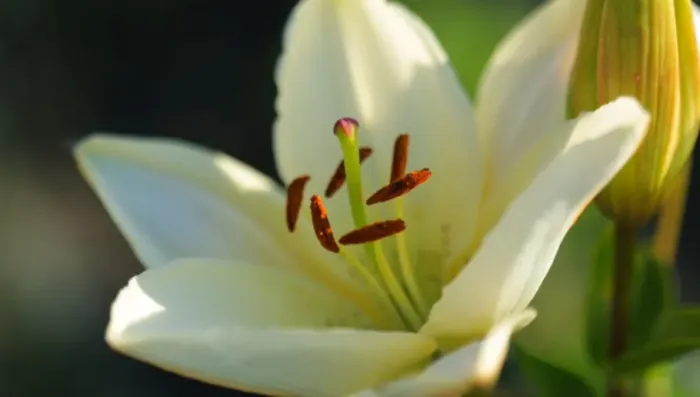
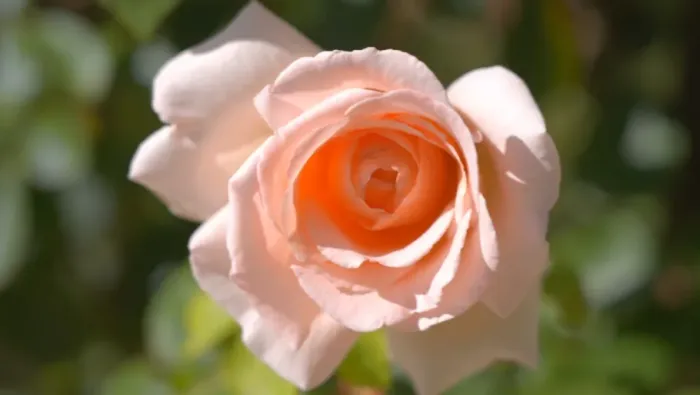
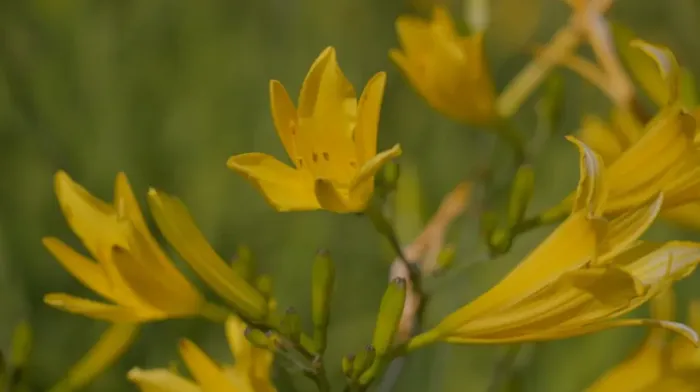
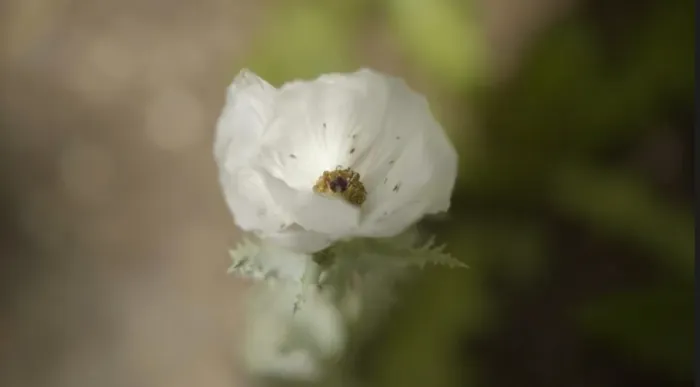
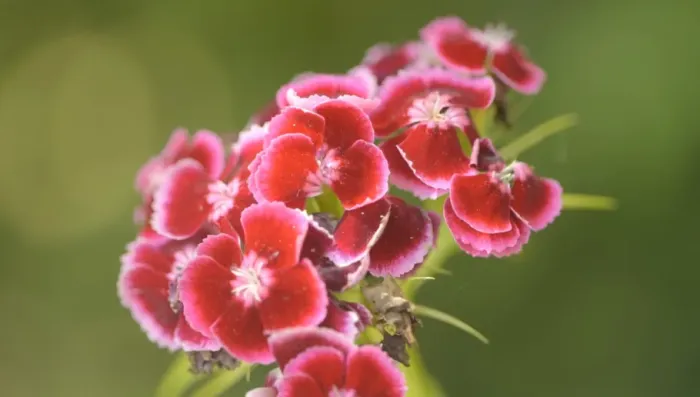
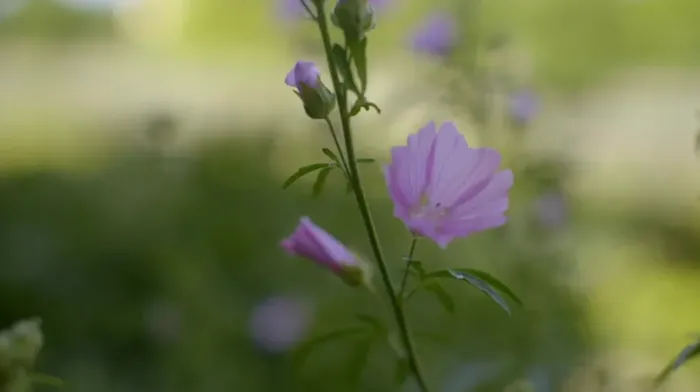
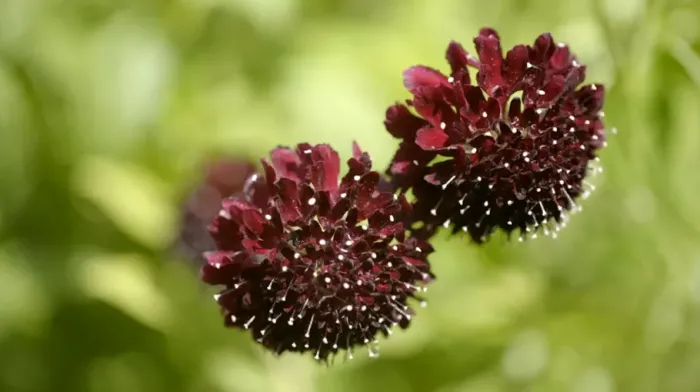
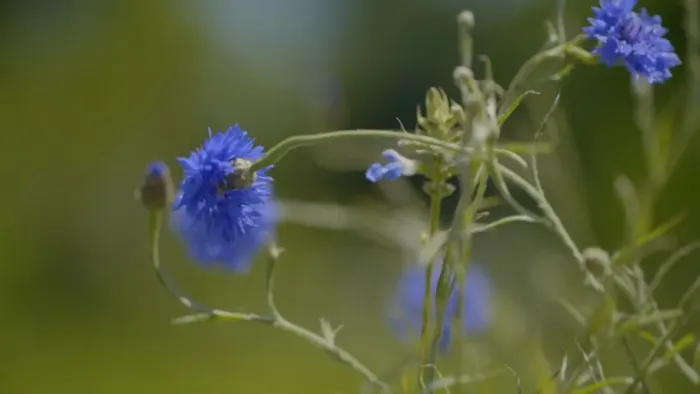
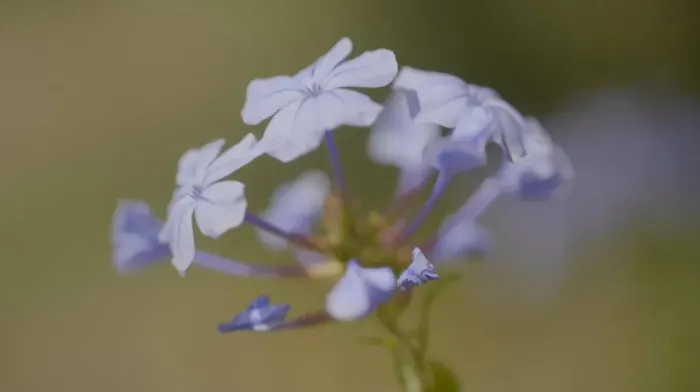
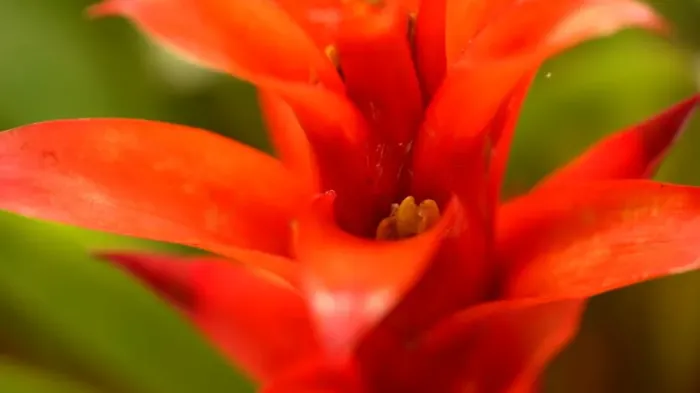
Over 300 species have been recorded on the estate of Versailles, including 21 noteworthy species. This natural diversity is further enhanced by the very rich horticultural flora in the gardens, where the teams experiment with planting new varieties every year for their ornamental interest, as a source of nectar for foraging bees, or for their ability to adapt to climate conditions.
On the estate of Marly, almost 170 species have also been identified, including 13 noteworthy species.
© EPV
© EPV
© EPV
© EPV
© EPV
© EPV
© EPV
© EPV
© EPV
© EPV
a precious tree heritage
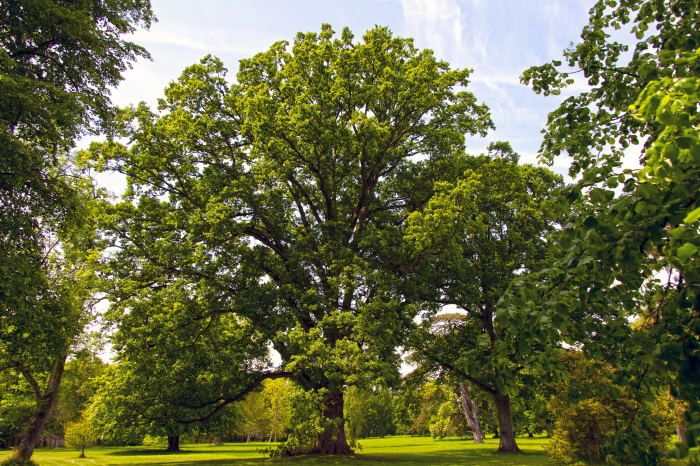
The tree heritage at Versailles originally consisted mostly of lime and chestnut trees from neighbouring forests, but has been enriched over the course of the centuries with rare species from distant shores: tulip trees and Virginia junipers, Japanese pagoda trees, Chinese catalpas and also giant sequoias. Although some historic trees did not survive the great storm of 1999, several of the most noteworthy species escaped unscathed and deserve to be showcased. Of the 350,000 or so trees planted on the Estate of Versailles, 13 species have been identified as “admirable” on account of their beauty, history or botanical rarity. Visitors are invited to discover them on a walking tour using an audioguide available on the mobile app.
Learn more about admirable trees
Hives: an environmentally responsible beekeeping project
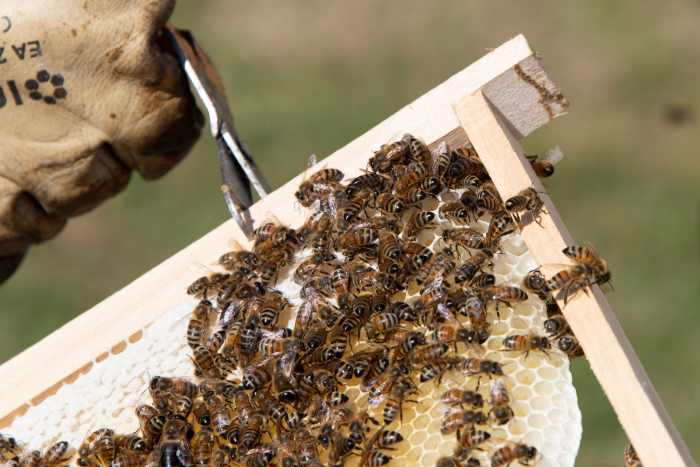
As an extension of the garden management plan, initiatives to protect pollinators and biodiversity have been carried out for several years on the estates of Versailles and Marly. Twenty hives were installed there in 2018 to produce sustainable honey. In line with Palace policy, they are home to black Île-de-France bees, a local breed which is threatened with extinction.
A pollen collection system installed on two apiaries for analysis purposes means that the plant species on which bees forage over the course of the seasons – both wild (ivy, poppies, etc.) and cultivated (lime, chestnut, ash, etc.) – can be identified.
The results of this biomonitoring provide valuable information about the environmental quality of the estates and their botanical diversity. They also help guide garden management practices, notably by encouraging planting of nectar-rich species that benefit pollinators.
patronage

Following the opening of the Perfumer’s Garden in 2023, which cast light amongst other things on the history of perfume at the Court, Maison Francis Kurkdjian has extended its patronage at the Palace of Versailles by supporting the creation of the Biodiversity Observatory since 2024.
Perfumery is, by its very essence, associated with nature and its biodiversity. A large part of this art relies on the use of natural ingredients in the composition of perfumes. Protecting biodiversity, preserving ecological balances and studying their development in the light of climate change is a means of ensuring the transmission of this legacy and securing the future of perfumery.
Exhibition
Gardens of the Enlightenment
The exhibition “Gardens of the Enlightenment, 1700–1800,” held from May 5 to September 27 2026 at the Grand Trianon, offers a unique insight into landscape gardens in the 18th century, through nearly 160 works.