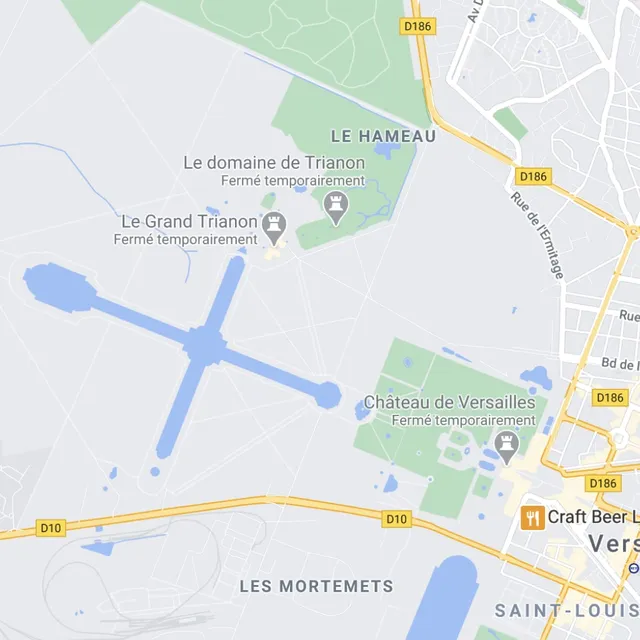


In spring 2026, at the Grand Trianon, the exhibition “Gardens of the Enlightenment, 1750-1800” offers a unique insight into landscape gardens in the 18th century. The exhibition brings together almost 160 works, including paintings, drawings, furniture, architectural plans, and costumes, spectacularly presented to showcase the birth of an art of landscape freed from the rules of the French formal garden and celebrating irregularity, fantasy and a philosophical evocation of nature. With close reference to the gardens commissioned by Marie-Antoinette at the Petit Trianon, the exhibition offers a sensitive rereading of iconic sites which visitors can then discover for themselves, such as the Belvedere, the Temple of Love and the Queen’s Hamlet.
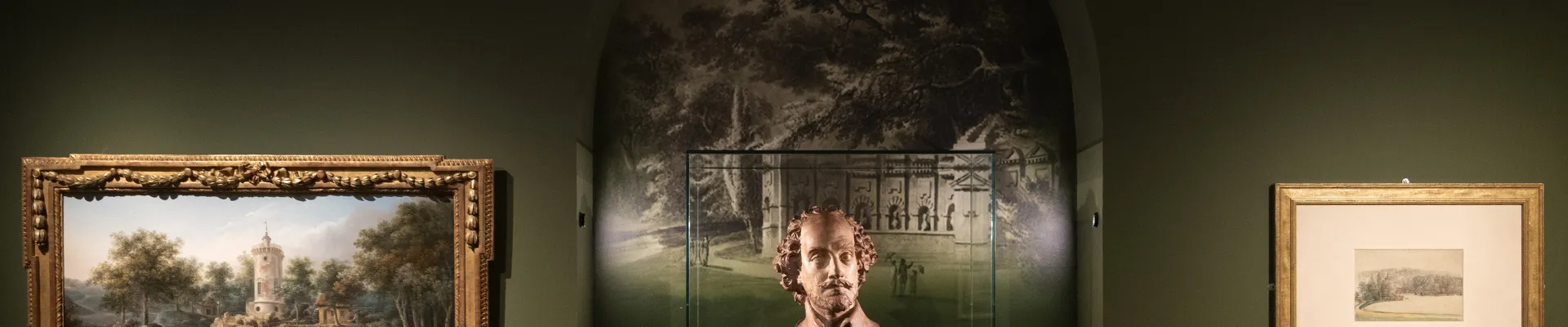
From 5 May to 27 September 2026
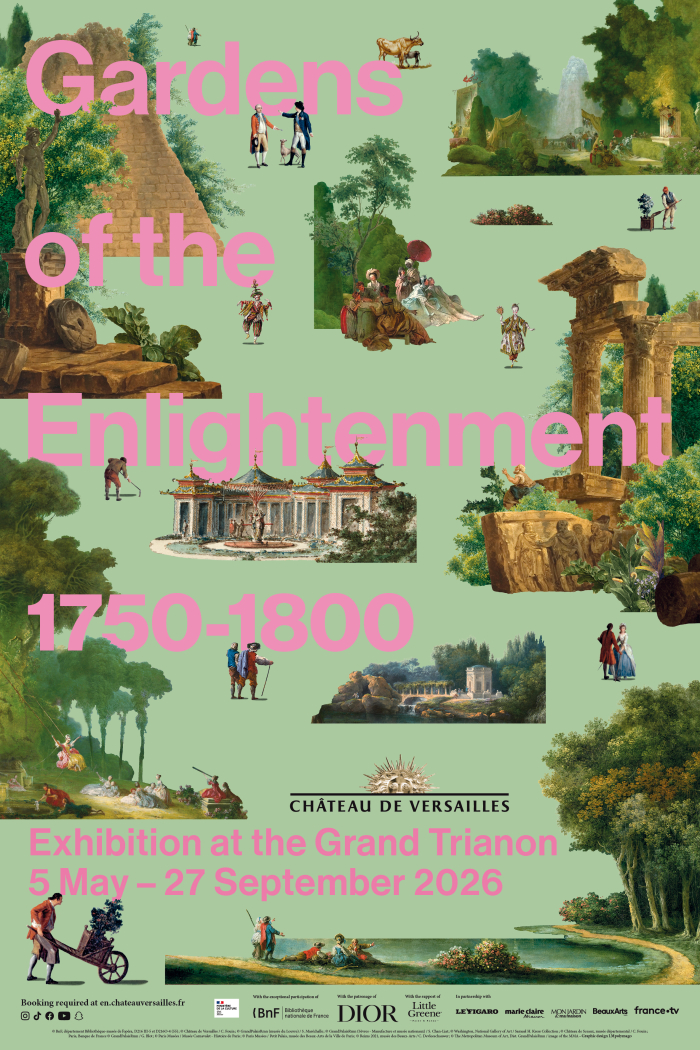
gardens of the enlightenment,
1750-1800
Virtual Tour
Discover this exhibition through its digital replica thanks to 360° photo technology.
GARDENS OF ILLUSION
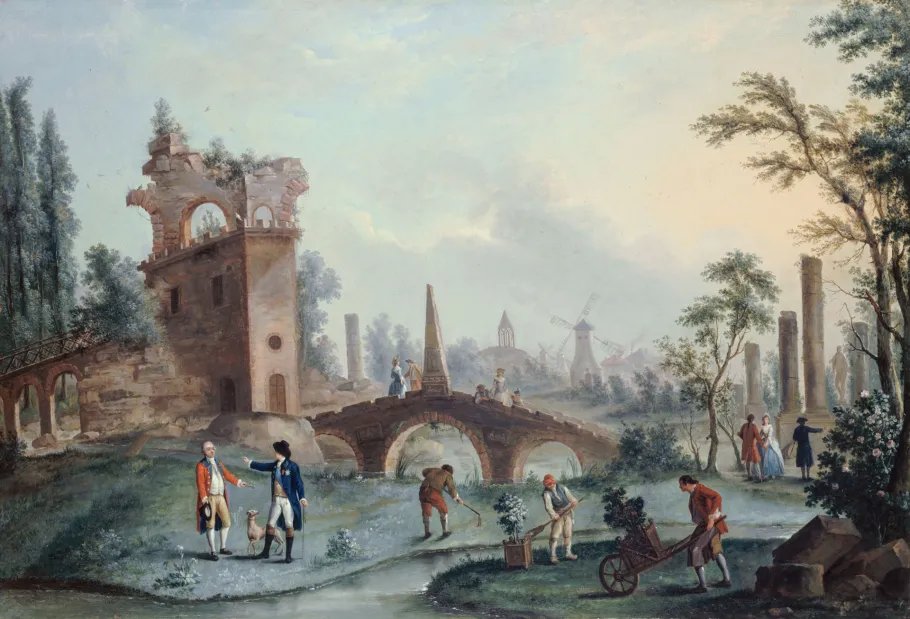
The exhibition Gardens of the Enlightenment 1750- 1800, presented at the Grand Trianon from the 5th of May to the 27th of September 2026, traces the birth of the landscape garden, pleasure garden or picturesque garden, a fashion that emerged in England in the 1730s and reflected a new way of thinking about gardens. Turning their backs on the geometric outlines of formal French gardens, gardeners and architects imagined sinuous designs which, while appearing natural and spontaneous, were actually skilfully orchestrated, featuring undulating terrain, watercourses, grottoes and follies and creating a world in miniature. These landscape compositions intended as spaces for travel and discovery were often called Anglo-Chinese gardens or English gardens. References to Antiquity, the East, European cultures and distant civilisations informed an evocative style of presentation. Numerous decorative objects, drawings and plans inspired by the East allow visitors to imagine the powerful influence of the notion of “elsewhere” on the 18th-century social imaginary.
As reflections of Enlightenment thought, gardens also embodied a new relationship with the world and nature. The influence of Rousseau is omnipresent: his descriptions of nature at Ermenonville, discussions about education, walking, meditation and reverie permeate these spaces. The landscape becomes a language, a space for reflection as well as a place of emotion. The art of the landscape even finds its way into private spaces such as the decor of the bathroom at the château de Bagatelle, which has been recreated in the exhibition by reuniting the four paintings by Hubert Robert on loan from the Metropolitan Museum of Art in New York.
LIFE IN THE GARDEN
The second part of the exhibition invites visitors to step into the private world of these inhabited spaces at the end of the Ancien Régime, when a transformation of the way of life of the aristocracy was taking place. These gardens prompted the emergence of an elegant and largely idealised country lifestyle. Customs also evolved, as did appearances with the introduction of lightweight clothing, woven straw hats, garden furniture and accessories suited to outdoor living, as can be seen in the portraits painted by Élisabeth Vigée Le Brun and George Romney.
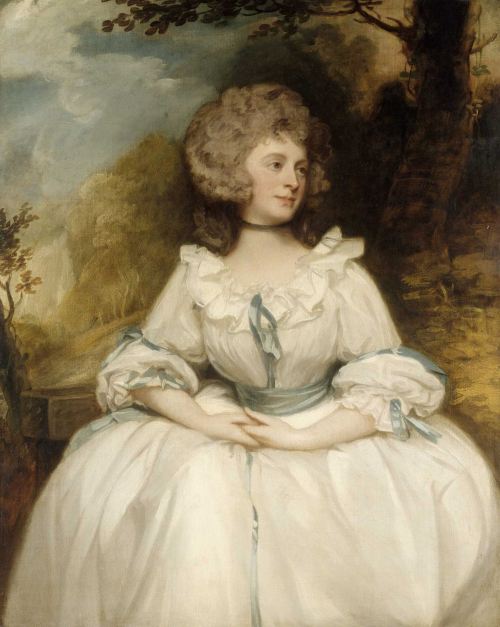
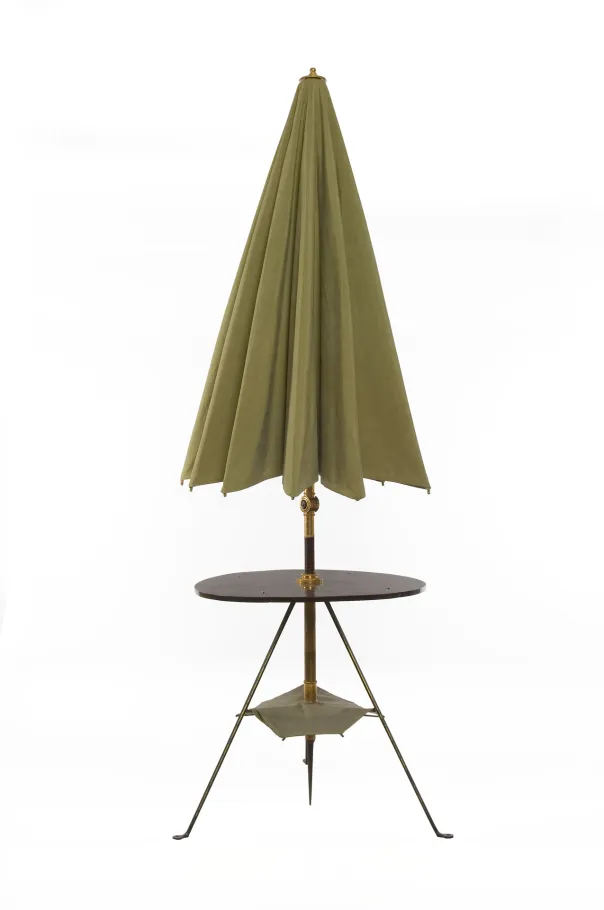
Gardens became a refined social space where privacy, representation and freedom intermingled. As creative laboratories, follies and their decor gave rise to innovative forms of furniture and objects. These hybrid items inspired by Antiquity, exoticism and the rustic world reflect an unprecedented degree of inventiveness. A bamboo table for the Chanteloup pagoda, a grotto concretion stool from the Bowes Museum collection and chairs featuring reeds made for the Shell Cottage at Rambouillet all bear witness to the extension of landscape aesthetics into everyday life, thus blurring the boundaries between nature, architecture and the decorative arts.
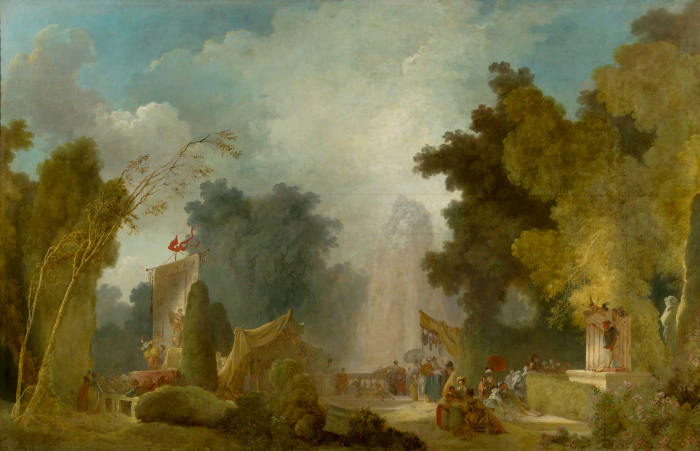
The last part of the exhibition is devoted to the garden as a setting for lavish festivities. Illuminations, performances and evening entertainments transformed landscapes into ephemeral settings inspiring wonder and illusion. The painters Claude-Louis Chatelet and Louis-Nicolas de Lespinasse captured these moments suspended in time when gardens became the stage for a hedonistic, joyful and deeply modern way of living, as evidenced, for example, by the fake Wörlitz volcanic eruptions.
The famous painting The Fête at Saint-Cloud (1755-1780) by Jean-Honoré Fragonard on special loan from the Banque de France, and two other paintings belonging to the same group on loan from the National Gallery of Art in Washington, are united here for the first time. They conjure up these pleasures steeped in an otherworldly and enchanted atmosphere. These masterly compositions illustrate the characteristic joie de vivre of the twilight of the Ancien Régime.
A stroll through an English garden: the Estate of Trianon
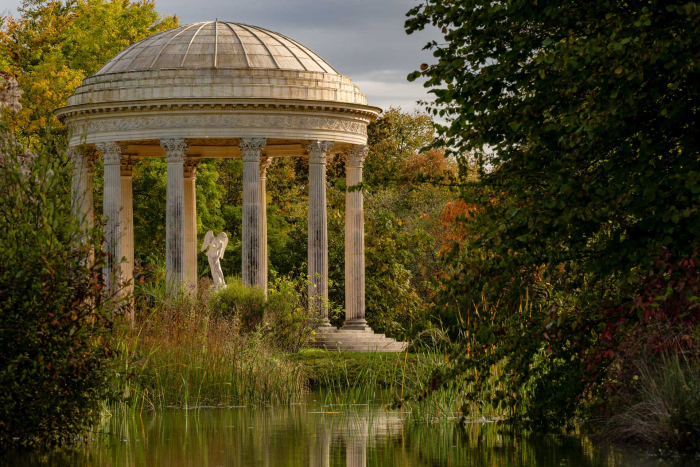
The Estate of Trianon stands as a living testimony to the art of the 18th-century English garden. It is beautifully preserved, retains the essential features of the landscape garden and still embodies its rustic charm and poetic quality. In 1774, the year of her accession to the throne, Queen Marie Antoinette formed a grand plan for the Petit Trianon: the creation of an English garden. Her architect, Richard Mique, and the gardener, Antoine Richard, undertook extensive works to create a new landscape of lakes, hills, grottoes and rivers.
In 1776, the first folly built was a Chinese-inspired merry-go-round where the queen’s friends and family could play the game of rings. This was followed by the Temple of Love, the Belvedere and the Queen’s Hamlet, which are iconic symbols of the landscape garden. The queen enjoyed this theatrical setting with a select circle of guests. She turned it into a place of pleasure and entertainments, strolls and festivities, which allowed her to step away from the court etiquette.
Other members of the royal family followed suit and created their own country retreats or folies: the Mesdames, at Bellevue and at the Hermitage in Versailles; the comte d’Artois at the château de Bagatelle; and the comte de Provence at Balbi park. The exhibition rounds off by inviting visitors to pursue the tour in the gardens of the Trianon so that they too can lose themselves in the winding paths and hidden corners of the landscape garden. English gardens that can still be admired today such as Ermenonville, le Désert de Retz and Bagatelle park, are also featured.
© Paris musée Carnavalet
Mobilier de jardin
© MAD
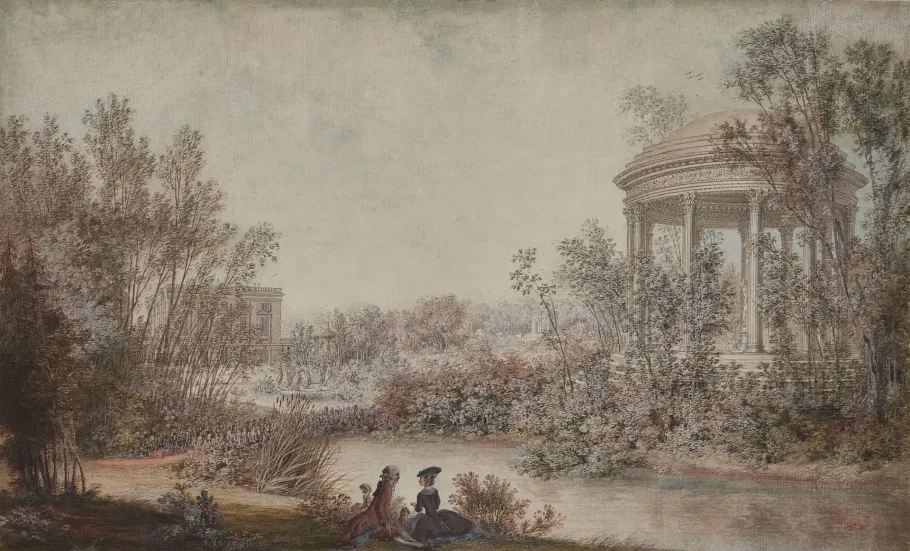
Temple de l'Amour dans le jardin anglais du Petit Trianon
© Château de Versailles, Dist. RMN © Christophe Fouin
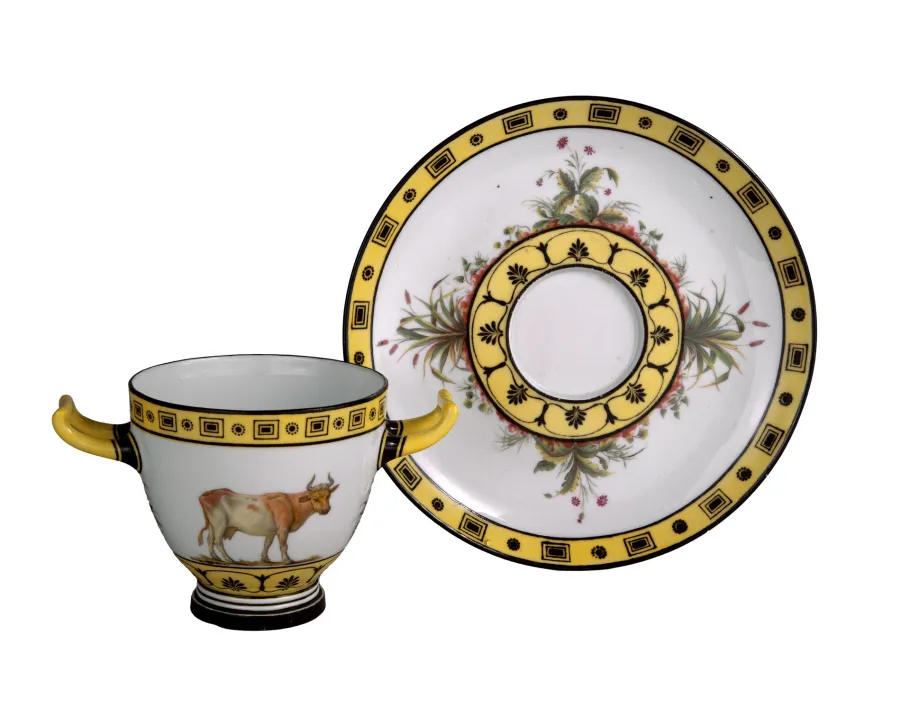
Service pour la laiterie de Rambouillet. Gobelet et anse
© GrandPalaisRmn (Sèvres - Manufacture et musée nationaux) / Martine Beck- Coppola
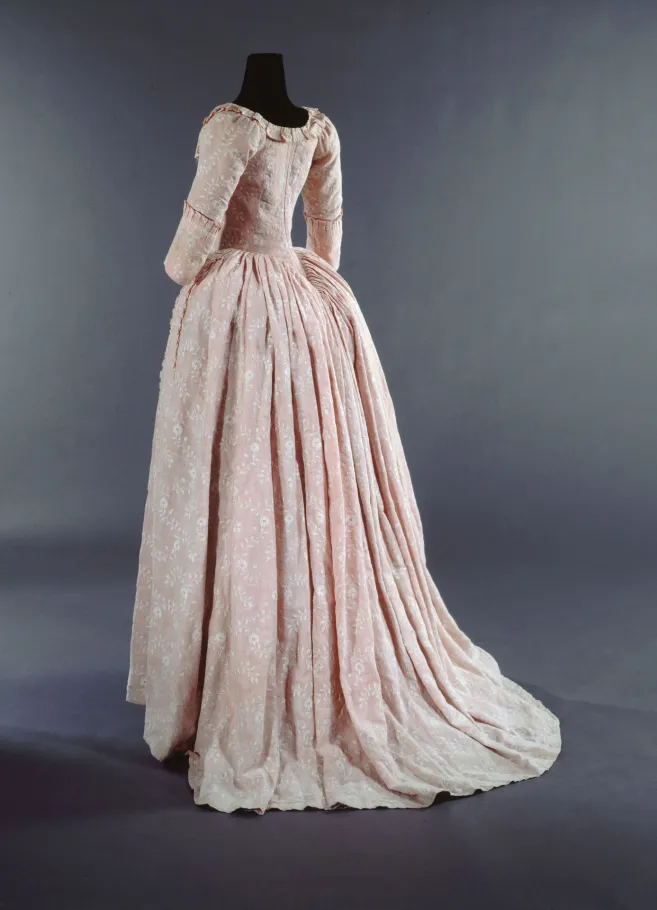
Robe à l'anglaise
© Paris Musées / Palais Galliera, musée de la Mode de la Ville de Paris
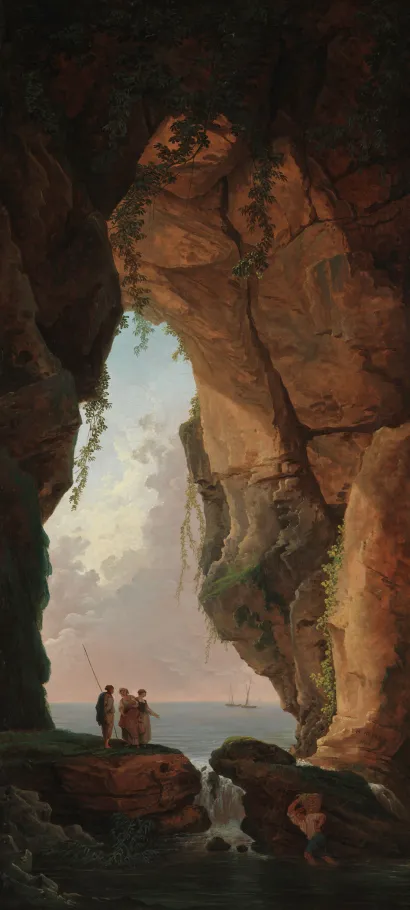
L'Entrée de la Grotte
© The Metropolitan Museum of Art, Dist.
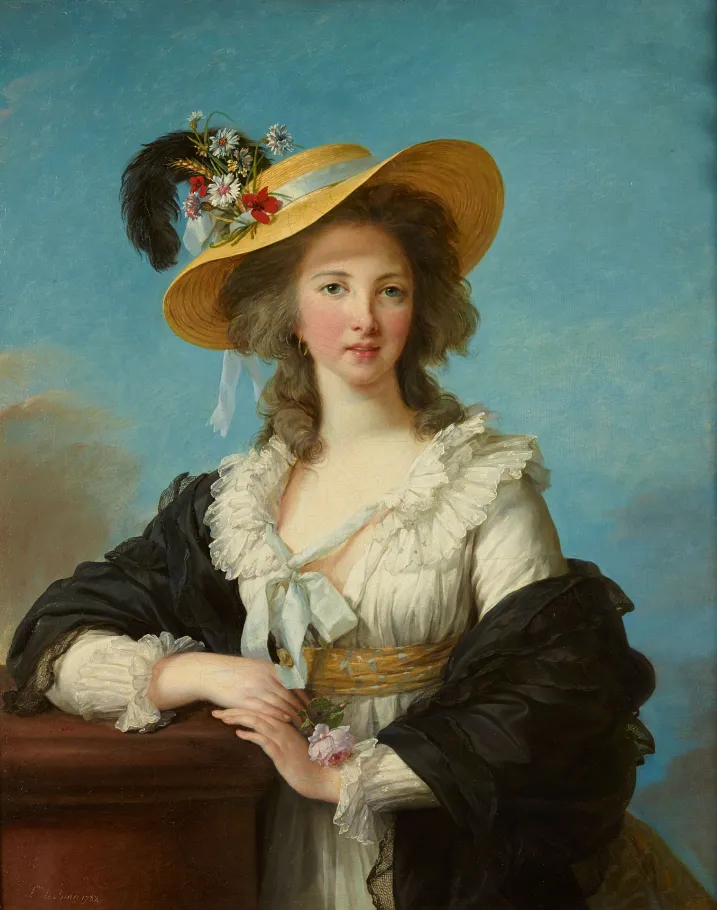
Yolande-Martine-Gabrielle de Polastron, duchesse de Polignac
© Château de Versailles, Dist. RMN © Christophe Fouin
Perfumer’s Garden
The Perfumer’s Garden represents a return to the atmosphere of 17th-century gardens. Located around the Châteauneuf Orangery, this garden is home to hundreds of flower essences: historic plants (roses, jasmine, etc.), some with unique fragrances (chocolate, apple, etc.), others with unpleasant odours, and even so-called “mute” flowers like hyacinths, peonies or violets.
For the duration of the Gardens of the Enlightenment, 1750–1800 exhibition, the Perfumer's Garden is freely accessible from the Bassin du Trèfle via the chemin creux. Open to all visitors for self-guided visits every weekend, from May 9 to September 27, from 12 pm to 6:30 pm (last admission at 5:45 pm), as well as on guided tours.
The Perfumer's Garden will be exceptionally closed on Saturday the 13th of June.
ACTIVITY BOOKLET
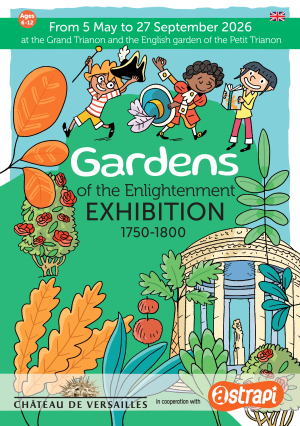
The Palace of Versailles, in partnership with Astrapi, has designed an illustrated activity booklet for children aged 6 to 12. This booklet guides children throughout their visit to the exhibition, offering them keys to better understand the artworks and the exhibition route, while stimulating their curiosity and sense of observation.
The activity booklet is available in digital format:
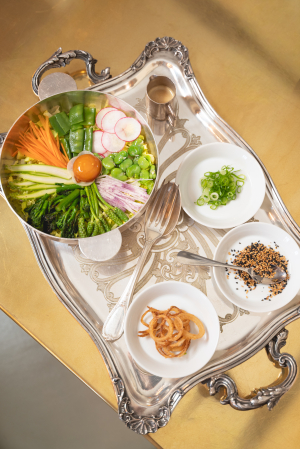
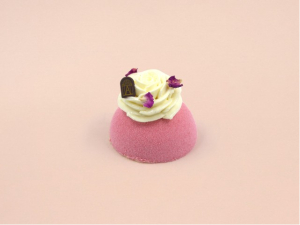
New Dishes Inspired by the Exhibition
Red berries and fresh herbs from the groves
Salad of a garden in the land of the rising sun
- The "rose" pastry
shop
Exhibition catalogue
The exhibition catalogue for “Gardens of the Enlightenment, 1750–1800” is available in our online shop.
Discover the exhibition catalogue
Selection
To coincide with the exhibition, discover our curated selection of products inspired by the garden universe.
curator
Elisabeth Maisonnier, Chief heritage curator, National Museum of the Châteaux of Versailles and Trianon.
partners
The exhibition is a special partnership with the Bibliothèque nationale de France

patronage
This exhibition has been made possible by the generosity of Dior

And with support from Little Greene

media partners





practical information
Dates: 5th of May 2026 to the 27th of September 2026.
Opening times: see all opening times, closed on Mondays.
Lieu: Grand Trianon, Estate of Trianon
Access:
- Pedestrian access from the palace gardens or park, the Queen's Gate and the Saint Anthony Gate
- Vehicle access via the the Queen's Gate, the Saint Anthony Gateand the Place d'Armes car park
tickets
Exhibition accessible with the Passport and the Estate of Trianon Ticket.

Passport
This ticket gives access to the whole estate of Versailles.
 Passport
Experience the best of Versailles!
For a whole day, enjoy access to the entire Versailles estate.
Good to know:
From 4 pm, enjoy a discounted rate.
Enjoy a discounted rate by choosing to enter the Palace from 3 pm onwards.
Holders of a Paris Museum Pass (PMP) must obtain a free Passport ticket.
This ticket includes entry to:
- the Palacewith timed entry;
- the estate of Trianon; the Grand Trianon, the Petit Trianon and the Queen’s Hamlet (open from 12 noon)
- the temporary exhibitions; presented in these spaces (including the Sofia Coppola exhibition, accessible from 22 September 2026)
- the Gardens (until 31 October, single admission during the Musical Gardens or Musical Fountains Show, ticket valid for one entry);
Only the visit to the Palace requires booking a time slot. You are free to enjoy the other areas of the estate throughout the day.
Good to know:
To make sure you don’t miss a thing, plan your visit and check out the other areas of the estate that are free to visit, such as the Gallery of Coaches, the Sculpture and Mouldings Gallery (open on weekend afternoons), as well as the Royal Tennis Court and the Park.
Find all our pricing terms and conditions on our website.
Tickets are non-refundable and non-exchangeable.

Estate of Trianon ticket
This ticket gives you access to the estate of Trianon.
 Estate of Trianon ticket
Spend an afternoon exploring the private grounds of the royal family.
Holders of a Paris Museum Pass (PMP) must obtain a free ticket for the estate of Trianon.
This ticket includes entry to:
- the estate of Trianon; including the Grand Trianon, the Petit Trianon and their gardens, as well as the Queen's Hamlet (starting at noon).
- the tempory exibitions presented there;
Good to know:
To make sure you don’t miss a thing, plan your visit and check out the other areas of the estate that are free to visit, such as the Gallery of Coaches, the Sculpture and Mouldings Gallery (open on weekend afternoons), as well as the Royal Tennis Court and the Park.
Only the Passport grants access to the entire Versailles estate (the Palace, Estate of Trianon and the Gardens) and guarantees entry to the Palace.
Find all our pricing terms and conditions on our website.
Tickets are non-refundable and non-exchangeable.
mobile app & audioguide
A tour and audioguide are available on the official Palace app. We advise you to download the free mobile app before arrival and to launch it to load the exhibition tour in advance.


It is also possible to listen to the tour by booking an audioguide online or onsite to discover the exhibition.
Plan my visit
guided tours
During guided tours, a speaker from the Palace invites you into lesser known locations otherwise closed to the visitors. You can also book online tours to discover the backstage of the Castle from your home!
All shows
The 2026-2027 musical season
The Palace of Versailles is hosting numerous operas, concerts, gala evenings and ballets in some of its exceptional spaces, including the Royal Opera and the Royal Chapel. Check out the programme for the 2026–2027 music season at Versailles.
Life on the Estate
Talk to the sculptures of the Gardens of Versailles
The Palace of Versailles offers, thanks to a partnership with Ask Mona and OpenAI, a unique experience for its visitors: twenty iconic fountains and statues from the Gardens become narrators of their own stories. For the first time at Versailles, these masterpieces of heritage speak and engage in conversations with the public.